 Hidden Wiki HQ
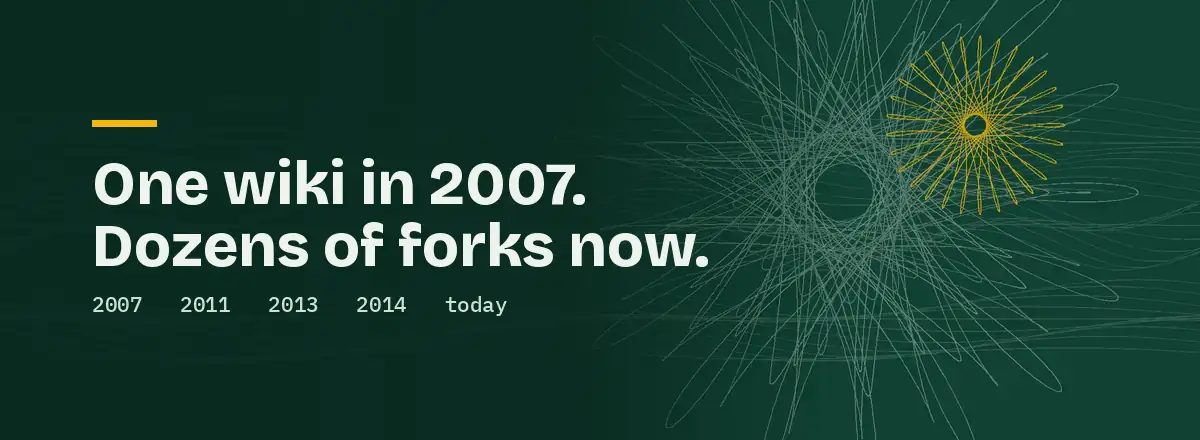
The Hidden Wiki has been shut down, hacked, seized, copied and resurrected so many times that most accounts of it get the order wrong. Here’s the sequence as best the public record shows, with sources.
2007: a directory appears
The earliest mention anyone has found dates to 2007, when a wiki was running at an onion address beginning 6sxoyfb3. Tor itself had only been public for a few years. There were so few onion sites that one page could list all of them.
For context: Silk Road didn’t exist yet. Bitcoin didn’t exist yet. The early hidden wiki was mostly people who liked the idea of a network nobody could censor, listing each other’s forums and file dumps.
2011: the first public fight
By 2011 a newer version of the wiki had become the well-known one, and it had a reputation. Because anyone could edit it, it carried links to child abuse sites alongside everything else. In October that year, people acting under the Anonymous banner went after those sites and said so loudly. It was the first time most of the outside world heard the words “Hidden Wiki”.
It’s worth sitting with that for a second. The page’s first moment of fame was for what it was willing to link to. That reputation has never fully left the name, and it’s the main reason we set hard limits on what we list.
2013: Freedom Hosting falls
The wiki was hosted by Freedom Hosting, a service that at the time ran a large share of all onion sites. In August 2013 its operator was arrested in Ireland and the FBI took control of the servers. Sites hosted there went dark or started serving code designed to unmask visitors.
Two months later the FBI shut down Silk Road. 2013 was the year people learned that “hidden” didn’t mean untouchable.
March 2014: hacked and redirected
The wiki came back at a new address. In March 2014 that one was hacked and its domain pointed at a different site entirely. After that, as Wikipedia records, the content was mirrored to more and more locations. This is the moment the single Hidden Wiki effectively ended. From here on it’s forks.
November 2014: Operation Onymous
Onymous was a joint US and European operation that seized hundreds of onion addresses in one go, Silk Road 2.0 among them. The wiki’s old domain, by then on compromised hosting in Bulgaria, started showing a law enforcement notice.
Here’s the detail that matters for anyone using a hidden wiki today. When researchers went through the list of seized addresses, a large number were clones or outright scam sites, not the real services they imitated. Even in 2014, a big chunk of the “dark web” was copies of itself.
2015 to 2021: forks, and the address change that broke old lists
With no original left, the name became public property. Dozens of forks appeared. Some stripped out the abuse links and tried to be responsible. Others were built from day one to phish, swapping genuine market addresses for look-alikes.
Then Tor changed how addresses work. The old ones were 16 characters. The new ones, called v3, are 56. In 2021 Tor Browser stopped opening the old kind altogether. Every list that hadn’t been maintained went dead overnight, and you can still find hidden wiki pages on the normal web showing nothing but 16-character links. We explain how to read an address in the glossary.
2022 to now: the neighbourhood keeps changing
The wiki’s story since then is really the story of what it links to, and that has been a run of takedowns:
- May 2025, Operation RapTor: 270 arrests in ten countries after the Incognito Market case.
- June 2025, Archetyp Market: more than five years old and over 600,000 users when six countries took it down. Its administrator, a 30-year-old German, was arrested in Barcelona. TRM Labs has a good write-up.
- March 2026, Operation Alice: Europol reported more than 373,000 dark web sites knocked offline in a single action against one fraud network.
- November 2026, Operation TorNado: 354 arrests across 14 countries, targeting buyers as well as sellers from markets that had already been closed.
Every one of those markets was listed on some hidden wiki right up to the day it was seized. A good number of the listings were fakes even before that. We keep a running record of events like these in dark web news.
What the history tells you
Three things, mainly.
First, there is no real one. If a site’s pitch is authenticity, ignore the pitch and look at whether it shows its sources.
Second, lists rot. Seizures, exit scams and address changes mean any directory more than a few months old is partly wrong. Dates matter more than length.
Third, the copies were always the danger. From 2014 onwards the biggest risk on a hidden wiki hasn’t been police or hackers. It’s been a link that looks right and isn’t. That’s what our guide to fake onion links is about.
Back to the Hidden Wiki directory, or read what the Hidden Wiki is if you skipped it.